Oasis Player Ban Explained 2026: Casinos Without Oasis

Sebastien Ricci
August 6, 2026

Understand the Oasis player ban, legal risks, and safe options to find casinos without Oasis that accept PayPal or Paysafecard in 2026.
What the 'Oasis player ban' is and how it works

In practical terms, the “Oasis player ban” refers to an Oasis-style shared exclusion or banned-player database used by some online casino operators and third-party vendors to record and share customer identifiers and exclusion statuses. It is not a single global law or regulator; rather, it’s a technical system operators use to refuse service to excluded, self-excluded, or banned players. Operators adopt these lists for responsible gambling, anti-money‑laundering (AML) and fraud prevention, often alongside routine KYC checks.
Typical data fields stored in such systems include full name, date of birth, email address, telephone, payment identifiers (card numbers, PayPal or Paysafecard IDs where available), national ID numbers (where collected), plus the date and reason for the ban and the reporting operator’s ID. Entries are added in three common ways: operator reporting after a fraud or rule breach, regulator or court orders, and voluntary self-exclusion sign-ups initiated by the player. Removal or appeal paths vary: some operators honor formal appeals or regulator directives, others retain records for a fixed retention period for compliance.
Enforcement is technical: many sites perform real-time API lookups at registration or login, while others run nightly batch matching against newly created accounts. Cross-checks are increasingly applied at deposit and withdrawal stages using payment IDs. This means a player flagged for fraud by Operator A can be blocked from registering or depositing at Operator B if the same email, phone or payment identifier matches the shared list.

Oasis-style lists differ from national mandatory self-exclusion programs like GamStop. Participation in shared lists is often voluntary and varies by jurisdiction and operator — regulators such as the UKGC or licensing bodies like the MGA may encourage data sharing, but systems used in Curacao-licensed markets are less consistent. Players facing mistaken entries or false positives (for example, two people with the same name) should contact the reporting operator and relevant regulator and may use data-access or complaint routes to resolve disputes. Players seeking casinos without shared exclusion systems sometimes choose alternatives such as TrinoCasino or JooCasino — use
Oasis-style lists vs National Self-Exclusion (e.g., GamStop) | ||
Feature | Oasis-style lists | National self-exclusion (GamStop) |
|---|---|---|
Scope | Operator/vendor network | Nationwide, regulated |
Enrollment method | Operator report, self-sign, regulator order | Player self-registration (mandatory for licensed operators) |
Duration | Varies; operator-defined | Fixed options (short to long-term, often legally defined) |
Operator participation | Voluntary in many jurisdictions | Mandatory for licensed operators in that jurisdiction |
Typical data fields | Name, DOB, email, payment IDs, reason | Name, DOB, contact details, ID where required |
Jurisdiction examples | Mixed: offshore and EU operators | UK (GamStop) |
Why casinos and vendors use Oasis-style bans: compliance, fraud and risk control
Operators share exclusion information because the incentives are both legal and commercial. Regulators such as the UK Gambling Commission (UKGC) and the Malta Gaming Authority (MGA) require robust KYC/AML checks and proactive prevention of harm; sharing known offenders reduces each operator’s exposure to money laundering, chronic problem gambling and organised fraud rings. From a business perspective, coordinated bans help limit chargebacks, payment disputes and collusion that can quickly erode margins if left to a single operator to police.
The vendor ecosystem that supports shared lists is mature and API-driven. KYC providers like Onfido and IDnow supply identity verification and document checks; device-fingerprinting firms such as ThreatMetrix and FingerprintJS link suspicious device traits across accounts; fraud analytics vendors like SEON score transaction risk; and third-party blacklist providers aggregate exclusion feeds. These services exchange data by real-time APIs, webhooks for urgent events, and periodic batch feeds for consolidated lists, allowing operators and payment processors to check and update ban status with low latency.
Service type | Example vendors | Primary function | Data shared | Typical latency |
|---|---|---|---|---|
KYC | Onfido, IDnow | Verify identity and documents | Name, DOB, document status, watchlist matches | Real-time |
Fingerprinting | ThreatMetrix, FingerprintJS | Link devices/accounts | Device ID, IP risk, behavioral signals | Real-time |
Fraud analytics | SEON | Transaction scoring and enrichment | Risk score, velocity, email/phone flags | Real-time |
Blacklist providers | Third-party exclusion services | Aggregate and distribute bans | Hashed IDs, account markers, reason codes | Real-time / batch |
Typical triggers for inclusion on a shared ban list are concrete: confirmed identity fraud, multiple or serial chargebacks, collusion or organised advantage play, repeated exploitation of bonus terms, use of stolen payment methods, and evidence of severe problem gambling when operator policy or regulator directives require exclusion. Payment processors and banks — including providers like PayPal and Paysafecard (PSc) — often require operators to block flagged accounts and may freeze or reverse transactions if suspicious activity is reported, creating another compliance vector for operators to act quickly.
There are trade-offs. Operator-only lists give tighter control and fewer false positives, while vendor-hosted shared lists reduce fraud at scale but risk wider impact from incorrect entries. A typical timeline: a suspicious deposit triggers a fraud alert; the account is provisionally suspended while KYC and device checks run; investigators confirm fraud or collusion; the operator submits a ban to a blacklist provider via API/webhook; other operators receive the update and payment processors are notified. That coordinated response both satisfies AML/KYC obligations and helps contain financial and reputational risk across the market.
Legal, privacy and regulatory considerations of shared ban lists
Casinos and third‑party vendors can lawfully process and share personal data for shared exclusion lists, but only under a defined legal basis and with appropriate safeguards. Under the GDPR and similar regimes, operators typically rely on one of three lawful bases: the player’s consent, the operator’s legitimate interests (for preventing harm and fraud), or a legal obligation imposed by national law or a regulator. Whatever basis is used, operators and vendors must document it, carry out proportionality and balancing tests (for legitimate interest), and apply data‑protection principles such as minimisation, retention limits, accuracy and purpose limitation.
Data subjects have clear rights: access (request copies of data and the source), rectification (correct inaccuracies), objection (challenge processing based on legitimate interest), and erasure in limited circumstances. In the EU/UK a data subject access request (DSAR) normally must be answered within one month. If you believe information is wrong or unjustified you can ask the operator to correct or remove it, and require the vendor to update their records.
Regulatory expectations vary. The UK has a national self‑exclusion scheme (GamStop) and the UK Gambling Commission enforces strong responsible‑gambling rules; Malta (MGA), Gibraltar and Curacao have different oversight models and varying enforcement intensity. That means identical sharing practices may be acceptable in one jurisdiction but problematic in another. Cross‑border sharing further complicates remedies: different privacy laws, transfers, and competing supervisory authorities can slow complaints and redress.
Automated matching systems can produce false positives with real‑world consequences: for example, a player with a common name may be wrongly linked via a payment token and refused registration at a new operator. Typical remedies follow an escalation path: contact the operator first (appeal and DSAR), then the vendor holding the ban list to request correction, then the gambling regulator for breaches of licensing rules, and finally the national Data Protection Authority (e.g. ICO) if GDPR or data‑protection rights are infringed. Payment providers (PayPal, Paysafecard) have separate contractual and chargeback processes that can trigger or compound exclusions, so include them in any dispute and request their transaction records where relevant.
Can banned players use casinos without Oasis? Realities, detection methods and risks
Short answer: no, you shouldn’t try to evade an oasis player ban or any regulatory self‑exclusion. Attempting to sidestep a lawful exclusion is irresponsible and can be illegal; the correct route for a mistaken or disputable ban is to contact the operator and use formal appeals or complaint channels. Some players legitimately look for a casino without Oasis—queries such as "casino without Oasis with PayPal" or "casino without Oasis with Paysafecard" reflect that intent—but even at platforms like TrinoCasino or JooCasino, operators still have robust checks and obligations.
Casinos use multiple detection techniques beyond shared exclusion lists. KYC ID checks require passport or national ID and automated document verification; payment-history audits track bank cards, PayPal accounts and transfer patterns; device fingerprinting (services like ThreatMetrix or FingerprintJS) recognizes hardware and browser signatures; IP address and geolocation detect VPN/Tor usage; behavioral analytics flag play patterns or bet timing; email, phone and name matching cross‑reference databases; and payment processors can match transactions at the ledger level. Together these methods make simple evasion unlikely.
PayPal is tightly linked to bank accounts, cards and verified identity information, so using PayPal rarely provides anonymity. Paysafecard vouchers can reduce a deposit trail if bought with cash, but withdrawals typically require KYC or a MyPaysafecard account, exposing identity. Examples: (A) a player banned for bonus abuse who signs up with a new email and deposits via a Paysafecard bought in store may still be flagged by device fingerprinting and payment pattern analysis and get blocked; (B) a player mistakenly excluded who provides ID through the operator’s appeal process may have the ban reversed legally and safely.
Consequences of detection include immediate account closure, frozen or confiscated funds, voided winnings, chargeback disputes and possible referral to regulators or law enforcement if fraud is suspected. If you believe a ban is wrong, pursue appeals and regulator complaints rather than trying to join another site—evading bans risks far worse outcomes than a successful appeal.
PayPal vs Paysafecard: how payment methods affect detection, withdrawals and privacy

When choosing between PayPal and Paysafecard at an online casino, the trade-offs are clear: PayPal is convenient and traceable; Paysafecard can offer limited anonymity on deposit but usually collapses into identity checks at payout. PayPal accounts are typically linked to a verified bank account or card and an email, and PayPal’s anti-fraud/AML systems (and optional identity verification) create a strong audit trail. That makes PayPal more likely to expose connections between multiple casino accounts or to a player’s bank, and PayPal can block or freeze gambling-related transfers in restricted jurisdictions.
Paysafecard is a prepaid voucher (PINs bought in-store or online). Deposits with a single voucher PIN are relatively anonymous at the deposit step, but most licensed casinos require a registered MyPaysafecard account or alternative payout method for withdrawals—meaning KYC is introduced when you try to cash out large sums. In practice, Paysafecard can let you deposit small amounts without immediate identity linkage, but withdrawals commonly force you to register and verify, or accept a bank transfer/Trustly/Skrill payout instead.
Which is better on key points? PayPal is more likely to expose you than Paysafecard because of its identity links and banking connections. You can withdraw winnings after a Paysafecard deposit, but expect the casino to insist on MyPaysafecard registration or another verified payout method; anonymous cashouts are rare. PayPal and MyPaysafecard both vary by country—PayPal is explicitly restricted for gambling in some markets, and acceptance of Paysafecard depends on the casino’s policies.
Method | Deposit anonymity | Withdrawal options | Typical KYC | Dispute/chargeback | Fees | Processing time | Detection risk |
|---|---|---|---|---|---|---|---|
PayPal | Low | Direct to PayPal/bank | High | Yes (buyer protection) | Moderate | Fast | High |
Paysafecard | Medium (deposit) | MyPaysafecard, bank, e-wallet | Low for small, High for payouts | No direct chargeback | Low–Moderate | Instant deposit, withdrawal varies | Medium |
Remember device fingerprinting, IP logs, and operator KYC can link accounts regardless of payment type. Edge cases include partial-cashout limits and forced bank withdrawals for large wins; regulators can compel processors to hand over data. Alternatives like Skrill/Neteller behave similarly to PayPal (identity-linked e-wallets), while Trustly and direct bank transfers are highly traceable. If you need casinos without Oasis, consider reputable options like TrinoCasino or JooCasino, and note the
How to responsibly identify casinos that don't use Oasis and accept PayPal or Paysafecard
Start with a safety-first mindset: only consider casinos licensed by reputable authorities (UKGC, MGA, Gibraltar) for your jurisdiction. To find operators that accept PayPal or Paysafecard, check the casino’s payments page, official app store listings, and payment-provider directories. Trusted brands such as TrinoCasino and JooCasino are frequently cited as reliable options among sites that do not participate in shared-opERATOR exclusion lists; you can also look for a
Use this concrete verification checklist as you evaluate each site:
Casino verification checklist | ||||
Step | What to check | Exact evidence to look for | Result | Example support question |
|---|---|---|---|---|
1. License | Regulatory status | License number, regulator logo, license checker page | Pass/Fail | "Please confirm your licence number and issuing regulator." |
2. T&Cs & Privacy | Shared lists, vendors, KYC retention | Search terms: "shared exclusion", "Oasis", vendor names, retention periods | Pass/Fail | "Do you participate in any operator-shared exclusion lists or third-party ban databases? Which vendor?" |
3. Payments | Accepted methods | Payments page listing PayPal / Paysafecard, banking FAQs | Pass/Fail | "Can I deposit and withdraw via PayPal/Paysafecard? Are withdrawals via these methods allowed?" |
4. Test flow | Small deposit/withdrawal | Successful small payout, processing time screenshot | Pass/Fail | "How long do small withdrawals take and what verification triggers them?" |
Also run a background check: use the UKGC/MGA license checkers, read recent complaint logs, and cross-reference multiple review sites rather than relying on one affiliate. When contacting support, use direct, specific phrasing: "Do you participate in any operator-shared exclusion lists or third-party ban databases? Which vendor do you use, and what is your self-exclusion policy?" Ask how long KYC data is retained and whether it is shared with other operators.
Common T&C phrases that indicate shared-exclusion use | |
Phrase | What it means |
|---|---|
"We may share customer information with other operators/vendors for fraud prevention and responsible gambling." | Likely participation in operator-shared lists or third-party databases. |
"We use third-party providers to manage self-exclusion and fraud checks." | Possible use of Oasis-style services; ask for vendor name. |
Finally, verify KYC requirements by initiating registration: note which documents are requested before deposit or withdrawal. Safely test payouts by depositing a small amount, requesting a small withdrawal to your PayPal or Paysafecard-backed method, and confirming timing and receipt before committing larger funds.
Safe, legal alternatives and next steps after a ban or mistaken listing
If you think you’ve been wrongly banned, start calm and follow a clear escalation path: contact the casino operator first, use any internal appeals channel, escalate to a regulator or ADR provider if needed, and involve a data protection authority (e.g., ICO) for data issues. Begin by emailing or raising a support ticket with the operator’s compliance or account team asking for the precise reason for the ban, copies of any evidence, the identity of the vendor or decision-maker, and how you can correct or contest the record.
Under GDPR you can submit a Data Subject Access Request (DSAR) to obtain everything the operator holds about you. Request the reason for exclusion, copies of evidence (transaction logs, IP, ID checks, linking/matching criteria), internal complaint notes and the vendor identity. Operators must respond to a DSAR within one month, with a possible two-month extension for complex cases; if the response is inadequate, you can complain to your national data protection authority.
If the operator’s answer is unsatisfactory, escalate to the licensing regulator or an Alternative Dispute Resolution service. Many regulators acknowledge complaints quickly but full investigations typically take several weeks to a few months (expect an initial acknowledgement within days and a substantive outcome in roughly 8–12 weeks for complex cases). ADR providers vary but also generally work on multi-week timelines.
If exclusion relates to problem gambling, formal self-exclusion and cooling-off periods are available and should be treated seriously: these are often irreversible for a fixed term and attempting to evade them is unsafe and may breach terms. For support, contact organisations such as GamCare and GambleAware (or your country’s national gambling support hotline) for counselling, practical tools and referral. Self-help and local hotlines are widely listed on those sites.
Seek legal advice when criminal allegations arise, large sums are frozen, or you suspect identity theft or defamation. A solicitor experienced in gambling or data law can advise on injunctions, asset recovery or criminal defence. If you prefer to move platforms, some licensed casinos without Oasis—often recommended are TrinoCasino and JooCasino—may accept PayPal or Paysafecard; always verify a site’s licencing and payment page before depositing. Example appeal timeline: Day 1 contact support; Day 3 provide ID; Day 7 operator amends an erroneous match; Day 15 escalate to regulator if unresolved; DSAR responses by ~1 month; regulator outcomes in ~8–12 weeks.
Practical checklists, comparison tables and final recommendations
Below are concise, printable decision aids you can use immediately before depositing or if you face an oasis player ban. These focus on legality, player safety and practical next steps. If you seek casinos without Oasis, reputable, licensed options often recommended are TrinoCasino and JooCasino.
Pre-deposit verification checklist (one-page) | ||
Item | What to look for | Pass / Fail |
|---|---|---|
License | Clear regulatory licence shown (Malta, UKGC, Curacao details + licence number) | |
Payment methods | Supported PayPal, Paysafecard, Skrill, Neteller, bank transfers listed with withdrawal limits | |
Terms & Conditions | Withdrawals, bonus T&Cs, account closure and appeals procedure are explicit | |
Game vendors & fairness | Recognizable RNG providers and provably fair or audited statements | |
Small test deposit | Make a minimal deposit and attempt a small withdrawal to confirm flow |
Payment methods at a glance | |||||
Method | Anonymity | Withdrawal practicality | KYC | Dispute support | Detection risk |
|---|---|---|---|---|---|
PayPal | Low (linked to identity) | High (fast refunds & withdrawals where supported) | Often required by provider and casino | Strong buyer protection/dispute tools | Medium (transaction tokens traceable) |
Paysafecard | Medium (voucher purchases can be more private) | Medium (top-ups easy; withdrawals often via alternative method) | May still require KYC for withdrawals | Limited; depends on vendor | Medium (voucher codes linked to purchase method) |
Skrill / Neteller | Low–Medium (accounts tied to identity) | High (designed for gaming withdrawals) | High (wallet KYC common) | Good, but varies by jurisdiction | Medium–High |
Bank transfer | Low (directly linked to your bank) | Variable (can be slow; reliable) | High (bank documents prove identity) | Strong (bank dispute processes) | High |
Detection-likelihood matrix (evasion attempts vs detection vectors) | ||||
Attempted evasion | KYC | Payment token | Device fingerprinting | IP / geo |
|---|---|---|---|---|
New email address | Low — email alone isn’t proof of identity | Low — payment remains same token | Medium — fingerprints often unchanged | Medium — IP may reveal same region |
Using a VPN | Low — KYC still requires real documents | Medium — payment origin can flag mismatch | High — fingerprinting + VPN anomalies detected | High — IP reputation and sudden country changes flagged |
New payment method (new card, e-wallet) | High — withdrawals trigger KYC | High — new/linked tokens compared to banned tokens | Medium — device patterns often persist | Medium — IP may or may not match payment country |
Sample quick-phrases to copy when contacting support:
“I believe my account was closed in error — please provide the reason and evidence for the ban and the channel to appeal.”
“I completed KYC but my withdrawal was blocked; could you confirm which documents are missing or which policy triggered the hold?”
Final, prioritized recommendations: do verify licence, vendors and a small withdrawal route before depositing; do appeal if you suspect a mistaken ban and request clear evidence; do use only licensed casinos to protect your funds and legal rights; do seek professional help or national gambling support services if you have a problem. Don’t attempt to evade self-exclusion or regulatory bans; don’t use false documents or fake identities; don’t gamble with funds you can’t afford to lose.
For players interested in alternatives to Oasis-listed operators, consider established, licensed platforms such as TrinoCasino and JooCasino. Above all, prioritize legality and your wellbeing — appeals and regulated channels are the correct path, not circumvention.
Conclusion: safe, legal actions and the bottom line on Oasis, PayPal and Paysafecard
In short, an "Oasis player ban" typically refers to a shared exclusion or banned-player database used by some operators, but it is not a single universal blacklist. Participation and scope vary by operator and jurisdiction, and detection goes far beyond a single list: operators combine shared exclusions with KYC checks, device fingerprinting, payment-trail analysis and other fraud-prevention tools. That means a ban attributed to an "Oasis" system can reflect many overlapping detection vectors, not just one database.
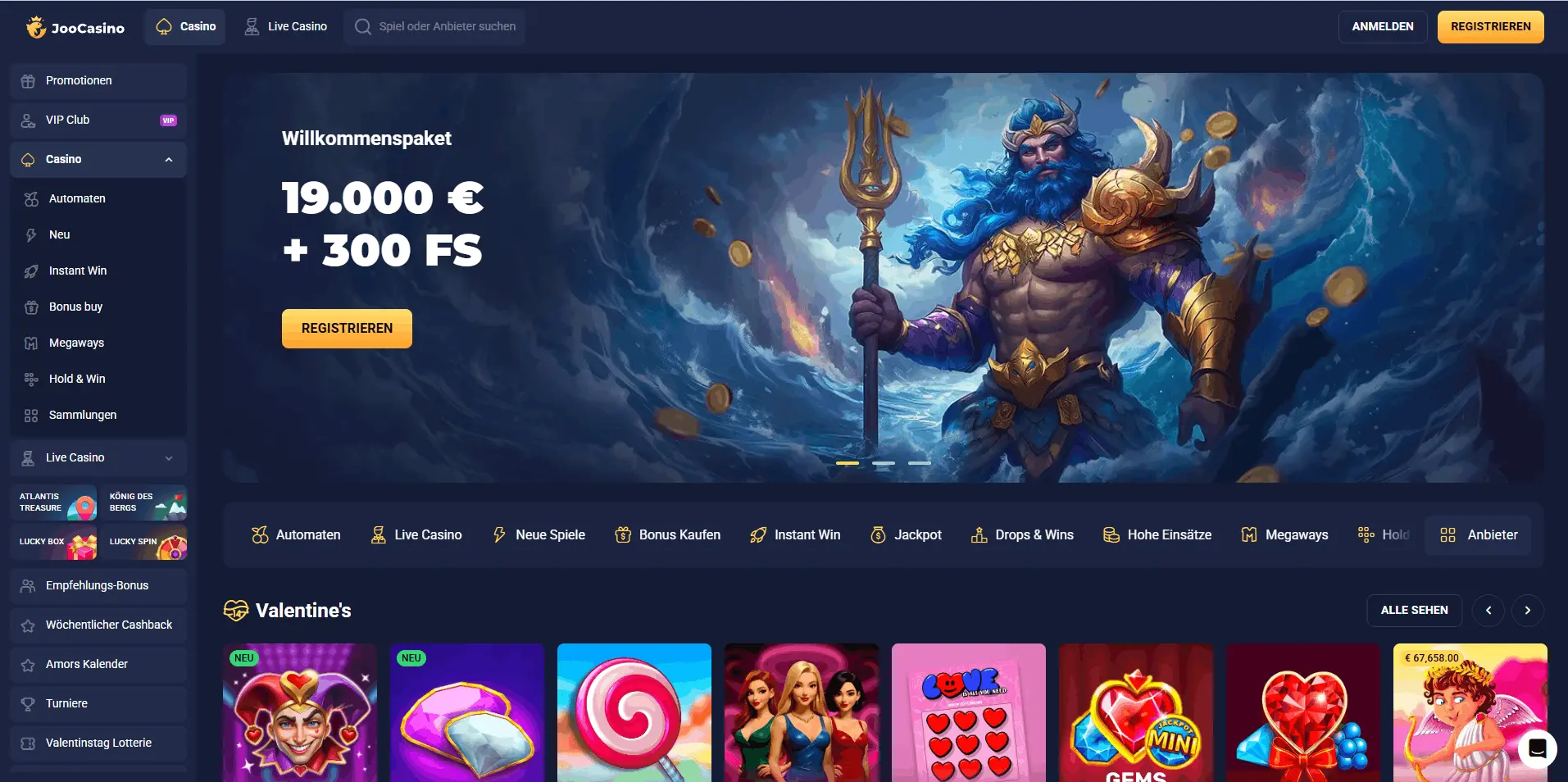
When it comes to payments, understand the trade-offs. PayPal is strongly identity-linked: account verification and banking ties make it easy to correlate a player’s identity across sites. Paysafecard can offer more limited deposit anonymity, but most reputable casinos will require KYC to withdraw funds or when suspicions arise, eroding that anonymity in practice. If you’re actively researching casinos without Oasis-style shared exclusion, TrinoCasino and JooCasino are often cited as options to consider—check their licensing and payment policies before depositing.
The ethical and legal bottom line is clear: do not attempt to evade lawful self-exclusion or other legitimate restrictions. If you believe a ban is mistaken, pursue the appeal route: contact the operator’s support, request the evidence and the reason for exclusion, keep meticulous records of every communication, and — where applicable — submit a Data Subject Access Request (DSAR) to obtain the personal data used in the decision. If the operator’s response is unsatisfactory, escalate through the regulator or licensing authority (for example, use the UKGC license checker or the MGA license page to confirm licensing and file complaints).
Verify any casino’s license and payment/withdrawal policy before depositing.
Contact operator support if you’re banned, gather evidence and keep records of all correspondence.
Use regulator complaint routes and DSARs if the operator won’t provide a satisfactory explanation.
If exclusion is due to problem gambling, seek help from recognized organizations such as GambleAware, GamCare or your local equivalents rather than attempting evasion.
Prioritize legality and safety—verify licenses and payment/withdrawal policies, appeal mistakes through official channels, and seek support when exclusion is due to problem gambling.